Sewer Scope
A camera inspection of the main sewer line, from the house to the street, before you close
The sewer lateral runs from your house to the public sewer main, and in Indianapolis, as in most cities, that line belongs to the property owner. If it is cracked, full of roots or collapsing, the repair is yours, and it can mean digging up the yard, cutting through a basement slab or boring under a driveway.
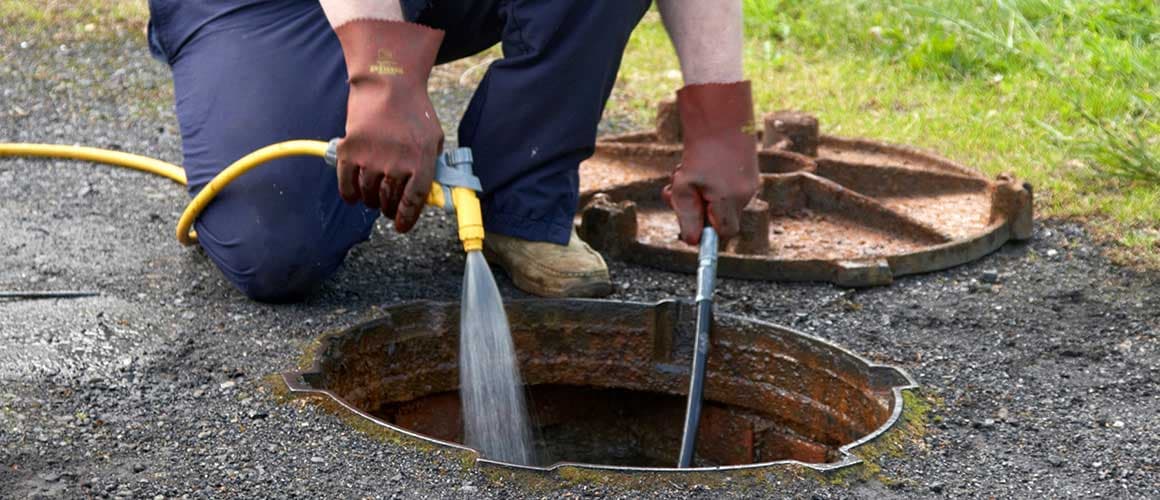
A sewer scope from FYI Home Inspections puts a flexible waterproof camera through a cleanout and runs it down the main drain line, recording video of the pipe's interior. You get the recording along with a clear explanation of what we found and how serious it is, so you can negotiate a repair or credit before closing instead of finding out after you move in.
Many homes in the older parts of Indianapolis, in neighborhoods like Irvington, Broad Ripple, Meridian-Kessler and Fountain Square, still have their original sewer laterals. Depending on when the house was built, that pipe may be clay tile, cast iron or Orangeburg, a tar-soaked fiber pipe that softens and deforms with age.
The city's mature tree canopy adds to the risk. Big silver maples and oaks send roots toward the moisture at a leaking joint, and once they are in, they keep growing. Newer homes with PVC lines are lower risk, but poor installation can still leave bellies that hold waste. Homes outside sewer service in the surrounding counties often have a septic system instead, which calls for a septic dye test rather than a scope.
Roots from mature trees push through joints and cracks, then grow into a mat inside the pipe that catches waste and eventually blocks the line.
Low spots where the line has settled and now holds standing water and waste. They show up in old and new lines alike.
Clay joints separate, cast iron corrodes from the inside, and sections shift out of alignment, letting water and roots in.
Debris, grease and scale that point to a line that is struggling, even if the drains seem fine during a showing.
For a deeper look at older lines and what to do with the results, read our Marion County buyer's guide to sewer scope inspections.
No. A home inspection runs water through the fixtures, but it cannot see the line underground. The scope is a separate add-on, usually done during the same visit.
We recommend one for almost any home built before the 1980s, any property with large trees near the line, and any house where the seller cannot say when the line was last serviced.
It is optional, but installation defects and settling happen in new construction too.
Add a sewer scope to your home inspection, or pair it with a termite (WDI) inspection. Questions? Contact us at jkimbrough@fyihomeinspect.com or (463) 426-5805.
InterNACHI Certified · Lic. HI02200084 · $25,000 Honor Guarantee
